
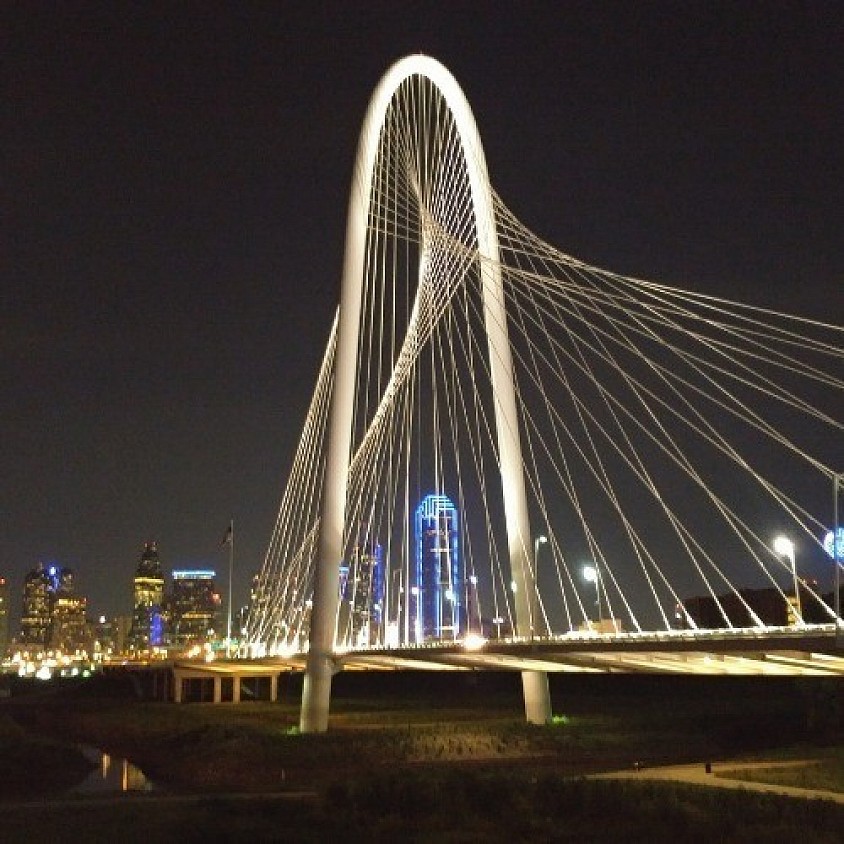
Smarter Home Comfort: Why Modern Insulation Strategies Matter in Houston
The Evolving Insulation Landscape in Hot-Humid Climates
Houston’s climate pushes residential and commercial buildings to the limit. Long cooling seasons, frequent humidity swings, and intense solar gain all test the performance of a building’s envelope. Modern insulation strategies have moved far beyond simply rolling out batts. Today’s best practices balance thermal resistance, air control, and moisture management to protect comfort, energy use, and building durability across the Gulf Coast.
Heat, Humidity, and Building Envelopes
Insulation on its own can’t fully address heat flow if uncontrolled air leakage is allowed to move moisture-laden air through the structure. In this region, the attic is a critical battleground. Ventilation details, air sealing at penetrations, and appropriate R-values must work together. When air control and insulation are aligned, ducts run more efficiently, interior temperatures stabilize, and the roof deck and framing avoid cycles of condensation and drying that can shorten service life. Local building conditions—think radiant roof loads and complex rooflines—make tailored solutions essential.
Materials and Methods That Fit the Gulf Coast
Hot-humid markets benefit from a careful pairing of materials and techniques. Fiberglass, cellulose, and spray foam each offer distinct strengths when installed correctly and matched to the assembly. Air sealing at top plates, can lights rated for insulation contact, and chases around plumbing or wiring should be addressed before adding bulk insulation. Closed or open-cell foams may be considered where air and thermal control layers need to align, while blown-in options can improve coverage in irregular bays. Detailing matters as much as material choice.
The Contractor’s Role and Quality Assurance
Selecting experienced pros is central to performance. Homeowners and property managers frequently turn to attic insulation contractors Houston for diagnostics, scope development, and compliant installation. A qualified team assesses current conditions, identifies air leakage pathways, verifies ventilation strategy, and recommends insulation levels that reflect local codes and comfort targets. Clear documentation, safe work practices, and post-install checks—such as verifying hatch insulation, ruler placement for depth confirmation, and evenness of coverage—help ensure results match expectations.
Health, Safety, and Code Considerations
Indoor air quality and safety should guide every insulation project. Proper containment during installation, attention to combustion appliance zones, and continuous monitoring of ventilation pathways help protect occupants and workers. Code requirements in hot-humid zones often emphasize attic ventilation details, fire blocking, and access clearances. Coordinating insulation depth with baffle placement, maintaining soffit airflow, and protecting recessed fixtures are all necessary to meet both code and performance goals.
Planning for Long-Term Performance
Insulation is not a set-it-and-forget-it component. Periodic checks can confirm that levels remain consistent, ventilation remains clear, and no new penetrations have compromised the air barrier. As homes evolve—with new lighting, smart devices, or mechanical upgrades—reassessing the attic can prevent performance setbacks.
Start with an evaluation: Document current insulation levels, attic ventilation, duct conditions, and air leakage points around chases, top plates, and hatches.
Prioritize air sealing: Address gaps and penetrations before adding bulk insulation to lock in gains from thermal upgrades.
Choose materials to match assemblies: Consider coverage, air control needs, and roofline complexity when selecting between blown-in, batt, or foam approaches.
Protect airflow: Maintain clear soffit-to-ridge pathways with properly installed baffles, and keep mechanicals unobstructed.
Verify safe clearances: Maintain required distances from heat sources and ensure fixtures are compatible with surrounding insulation.
Inspect and maintain: Recheck levels and ventilation after storms, roof work, or mechanical changes to preserve performance.
The insulation industry continues to refine best practices for hot-humid climates like Houston’s, focusing on building science fundamentals that stand up to daily weather realities. When the attic is treated as a system—balancing insulation, air control, and moisture management—the payoff is tangible: steadier comfort, more predictable energy use, and improved durability. Skilled planning, careful material selection, and methodical installation by seasoned professionals create the conditions for year-round comfort and resilience.
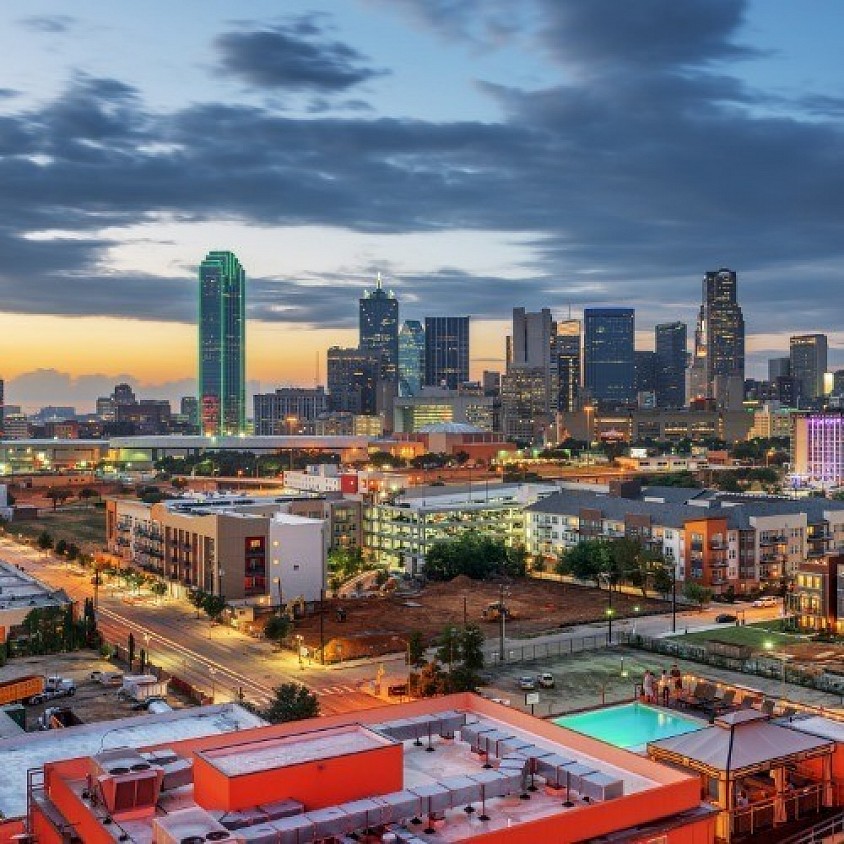
Smart Insulation Trends Shaping Comfortable, Efficient Gulf Coast Buildings
The Evolving Insulation Industry in Warm, Humid Climates
Insulation has moved from a background building component to a centerpiece of comfort and efficiency strategies across the Gulf Coast. In regions where long, hot seasons meet coastal humidity, the right approach to thermal resistance and moisture management can transform how a building feels and performs all year.
Why insulation services Houston Matter for Energy Efficiency
In a market defined by heat, sun exposure, and high dew points, insulation must do more than slow heat transfer; it must support a balanced interior environment. Homeowners and facility managers benefit when projects pair careful material selection with targeted installation techniques that respect the building’s age, layout, and usage patterns. Choosing expert guidance for insulation services Houston helps ensure consistent room-to-room temperatures and reduces the strain on cooling systems.
Materials and Methods Suited to Heat and Humidity
Selecting insulation for coastal Texas starts with understanding the building’s envelope. Dense-fill options for closed cavities, high-performance batts for accessible framing, and spray-applied systems for complex geometries can each play a role. The goal is to limit conductive, convective, and radiant heat gains while keeping assemblies dry. Correct fit, proper thickness, and attention to thermal breaks are just as important as the material itself, because small gaps or compressions can undermine results. When attics and knee walls are involved, coverage continuity and appropriate thermal alignment are vital to avoid hot spots.
Indoor Comfort, Moisture Control, and Air Quality
Comfort depends on more than temperature. Humidity control and surface temperatures determine whether a space feels sticky or crisp. With effective insulation, interior surfaces stay closer to the thermostat set point, helping reduce condensation potential on ducts and walls. This stability supports better air quality by discouraging damp conditions that can lead to odors or material degradation. Thoughtful detailing around penetrations, recessed lighting, and utility chases further protects the envelope from unwanted heat and moisture movement.
Retrofits: Getting Results from Existing Homes and Offices
Most buildings can gain comfort and efficiency without major reconstruction. A typical retrofit begins with an assessment of current insulation levels, visible gaps, and attic or wall accessibility. From there, the plan might prioritize attics first, followed by walls and floors over garages or open spaces. Sealing obvious bypasses and ensuring attic coverage is even and complete can yield a more stable interior climate. In multifamily or light-commercial settings, phased work can limit disruption while targeting the assemblies with the largest impact on daily comfort.
What to Ask Before Any Insulation Project
Before approving plans or materials, align expectations and verify that the work will suit the building and climate. Use the following checklist to guide conversations and scope:
Where are the biggest thermal weak points, and how will the plan create continuous coverage across them?
Which insulation types best fit this structure and climate, and how will they address both heat and humidity?
How will installation handle hard-to-reach areas such as eaves, knee walls, and around fixtures to prevent gaps?
What is the approach to maintaining safe clearances around heat-producing components and ensuring code compliance?
How will the team verify results, such as uniform depth in attics and proper fit within cavities?
What maintenance or periodic inspections are recommended to keep insulation performing as intended?
How will the project schedule minimize disruption while protecting interiors, landscaping, and stored items?
Insulation work in warm, humid regions is most successful when it balances energy performance with moisture resilience and occupant comfort. By focusing on continuity, compatibility with local conditions, and careful execution, buildings feel better, run cooler, and deliver the dependable interior environment people expect—even when outdoor conditions are at their toughest.
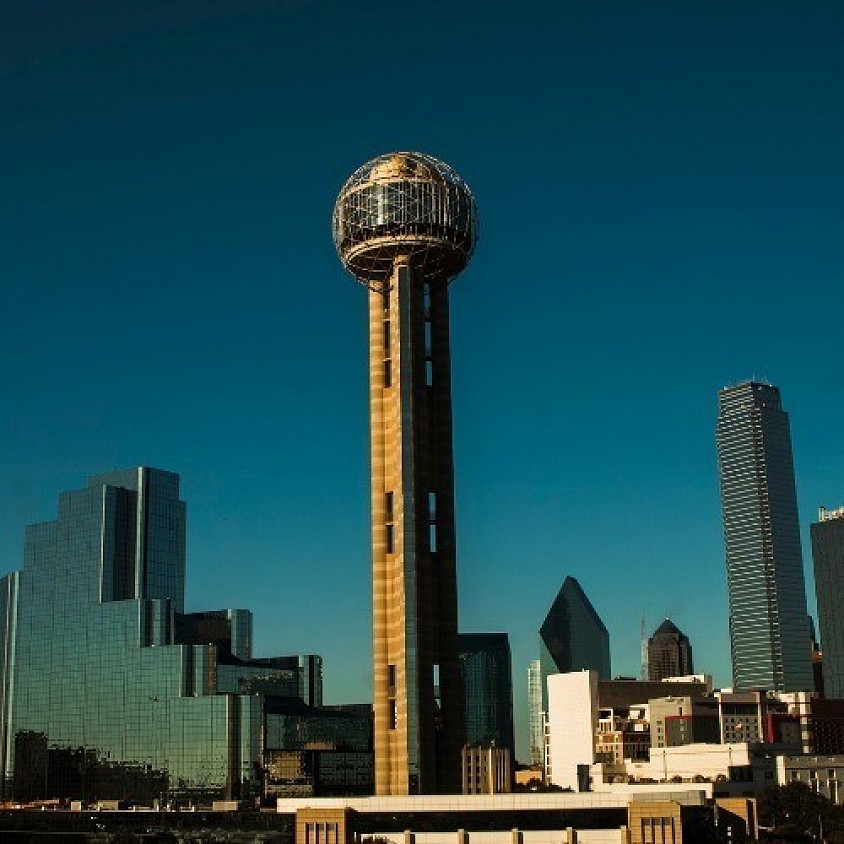
Smart Insulation Strategies for Hot-Humid Homes
Understanding the Value of Better Insulation
In hot-humid regions, a well-insulated home isn’t just about comfort—it’s a protective system that manages heat, moisture, and indoor air quality. Insulation slows the movement of heat from attic to living space, helps stabilize temperatures room to room, and supports HVAC performance by reducing runtimes. The result is a quieter, more consistent home that places less stress on heating and cooling equipment. When paired with good building practices, the right approach to insulation can also discourage condensation and the hidden issues that come with it.
Why Attic Performance Drives Whole-Home Comfort
The attic is the primary gateway for unwanted heat in summer. Solar-heated roofing bakes the attic air, and that heat radiates down through the ceiling. Proper R-values, continuous coverage, and airtight details where insulation meets framing are essential. In many homes, small gaps around can lights, chases, and top plates undermine thermal performance. Sealing those details before adding insulation can make a dramatic difference. Homeowners searching for attic insulation services Houston often find that addressing both coverage and details at the same time delivers the most reliable results over the long term.
Choosing Materials: Fiberglass, Cellulose, and Spray Foam
Different materials can achieve code-level R-values, but installation quality determines outcomes:
Fiberglass: Widely available, cost-effective, and reliable when evenly distributed to the specified depth.
Cellulose: Dense, good at fitting around obstructions, and effective at limiting air movement when properly installed.
Spray foam: Offers thermal resistance and air control in one layer; often used for complex assemblies and roofline applications.
Each material has best-use cases. For typical vented attics, blown-in fiberglass or cellulose at the appropriate depth can provide excellent performance, provided air pathways are minimized and baffles protect ventilation at the eaves.
Moisture Management and Ventilation Details
In humid climates, keeping moist air from drifting into cooler areas prevents condensation on building surfaces. Balanced attic ventilation, intact baffles, and carefully sealed ceiling penetrations all help maintain stable conditions. Vapor control strategies should align with local codes and the building’s design. A thoughtful plan considers how insulation interacts with roof decks, ductwork, and mechanicals so that warm, moist air cannot pool where it causes trouble.
Installation Quality and Codes That Matter
Performance is more than R-value on paper. Depth markers, even coverage, and verified sealing of key leakage points are the practical checks that ensure the job matches the design. Codes set minimum targets, but many homes benefit from going beyond the basics: aligning insulation with continuous air control layers, protecting recessed fixtures rated for insulation contact, and confirming attic ventilation isn’t blocked by new material.
Maintenance and Long-Term Performance
Insulation isn’t entirely “set it and forget it.” Over time, traffic in the attic can disturb coverage, and new wiring or devices may introduce gaps. An occasional visual check helps maintain performance. If you see compressed areas, wind-washing near soffits, or uneven depths, it may be time to top off or correct distribution. Homes that evolve—adding bath fans, solar wiring, or new ducts—should reassess attic details to preserve the thermal boundary.
What to Expect From a Professional Assessment
A thorough insulation assessment typically includes a look at current R-values, air leakage sites, ventilation pathways, and moisture risks. Expect clear recommendations that prioritize safety, code compliance, and cost-effective upgrades. For many homes, the highest return comes from a focused attic plan: sealing critical gaps, ensuring ventilation is protected, and installing the right insulation to the correct depth. When done well, homeowners notice fewer hot spots, steadier indoor temperatures, and quieter rooms throughout the day.
Notable Places to Explore Near Houston, Texas 77046
Houston’s Greenway and Upper Kirby corridor offers a dense constellation of parks, museums, cultural venues, and understated architectural gems. The neighborhoods around the 77046 area bridge River Oaks, Montrose, West University Place, and the Museum District, creating a seamless patchwork of experiences. From tree-canopied paths along the bayou to thought-provoking art spaces, the surroundings invite both unhurried wandering and purposeful discovery.
Urban Icons and Architectural Moments
Sleek skylines yield to pocket parks and public art throughout this district. Modern commercial towers stand near well-preserved residential enclaves, a juxtaposition that defines Houston’s charm. Look for architectural vignettes—curved facades, reflective glass, and limestone arcades—that frame the streetscape with quiet elegance. In the Galleria/Post Oak area, the urban fabric becomes especially vertical yet remains surprisingly walkable near shaded promenades and retail arcades.
- Gerald D. Hines Waterwall Park
- Highland Village
- River Oaks District
- The Galleria and Post Oak Boulevard
- The Ion District and Innovation Corridor
Greenways, Bayous, and Botanical Retreats
Nature threads through the city’s heart by way of bayous and expansive green spaces. Trails hum with cyclists, joggers, and families, while shaded lawns entice picnickers and readers. The aromas of pine and magnolia mingle with the earthy scent of the bayou, especially after a summer shower. Some parks offer quiet overlooks ideal for sketching, journaling, or just recalibrating between appointments.
- Memorial Park and Eastern Glades
- Buffalo Bayou Park and Sabine Promenade
- Houston Arboretum & Nature Center
- Hermann Park
- Rice University Campus and James Turrell Twilight Epiphany Skyspace
Museums, Galleries, and Cultural Essays
The area nearby is synonymous with cultural depth. Collections range from global masterworks to site-specific installations that challenge assumptions and invite contemplation. Intimate galleries in Montrose contrast with grand institutions in the Museum District, offering a spectrum of styles, mediums, and moods.
- The Menil Collection and Menil Park
- Rothko Chapel
- Museum of Fine Arts, Houston
- Houston Museum of Natural Science
- Asia Society Texas Center
- Contemporary Arts Museum Houston
Neighborhood Character and Street-Level Discoveries
What captivates here is the granular detail—murals splashed across brick walls, minimalist sculptures tucked into courtyards, and patios hidden behind ivy-draped fences. Montrose bends bohemian, while West University is genteel and tidy. Rice Village blends collegiate energy with boutique sensibility. A leisurely stroll reveals artisanal bakeries, small-batch roasters, and design-forward storefronts, each contributing a distinct timbre to the larger ensemble.
- Rice Village
- Montrose murals and pocket galleries
- West University Place parks and boulevards
- Upper Kirby Gallery Row
- Bayou Bend Collection and Gardens
Public Art, Memory, and Meaning
Public art here functions as a living atlas of local memory. Installations and preserved sites encourage reflection on resilience, identity, and community. The city’s commitment to accessible art turns sidewalks into galleries and greenbelts into curated experiences. Bring an inquisitive mindset and give each work the time it deserves; even brief pauses can change how the landscape is perceived.
- Cullen Sculpture Garden
- The Buffalo Bayou Cistern
- Art Car Museum
- The Beer Can House
- Holocaust Museum Houston
- Buffalo Soldiers National Museum
Parks for Play, Reflection, and Performance
Some green spaces invite play and performance in equal measure. Open-air stages host seasonal productions, while gardens inspire calm. Families gravitate toward lawns with shade-dappled corners; birders and photographers chase shifting light. The parks listed below can anchor a day’s itinerary or punctuate it with restorative interludes.
- Miller Outdoor Theatre (in Hermann Park)
- Discovery Green (downtown, within easy reach)
- Levy Park
- Emancipation Park
- Eleanor Tinsley Park
Markets, Flavors, and Local Rhythm
Houston’s culinary map is as diverse as its neighborhoods. Markets hum on weekends with produce stands and local purveyors. Side streets hide stalwart bakeries and casual counters where the line spills out the door. Rice Village and Upper Kirby offer sidewalk seating ideal for people-watching, while Montrose remains a playground for culinary experimentation. Keep an eye out for pop-up vendors and seasonal specialties—this is a city where the menu changes with the weather and mood.
- Urban Harvest Farmers Market (check current location and schedule)
- Rice Village patios and cafes
- Upper Kirby bistros and bakeries
- Montrose late-night eateries and coffeehouses
- Asiatown along Bellaire Boulevard (a short drive west)
Suggested Pathways and Pairings
- Start with a serene morning at Rice University’s Skyspace, then loop through Hermann Park’s gardens before stepping into the Museum of Fine Arts, Houston. The progression from open sky to curated rooms makes for a compelling narrative arc.
- Pair Buffalo Bayou Park with the Cistern. The park’s breezy bridges and skyline views complement the Cistern’s subterranean hush, creating a study in contrasts—light and shadow, motion and stillness.
- Wander the Menil campus. Move from the quiet gravity of the Rothko Chapel to the human-scale galleries across the tree-lined lawn. Then walk to nearby cafes for a reflective debrief.
- In the Galleria/Post Oak area, visit the Waterwall for a dramatic architectural interlude, then explore Highland Village or River Oaks District. Finish with a leisurely window-shopping pass beneath the live oaks.
Practical Notes and Local Etiquette
Weather shifts quickly. Shade and hydration matter, especially on radiant afternoons. Trails can be busy, so keep a relaxed pace and yield where appropriate. Many cultural sites encourage calm and reflection—speak softly, silence notifications, and linger. Parking varies across districts; when possible, consider a rideshare or combine destinations to streamline your day. Most importantly, let curiosity set the tempo. The neighborhoods near 77046 reward those who look closely and move attentively.
The area surrounding Houston, Texas 77046 knits together a mosaic of nature, art, architecture, and neighborhood verve. Whether the day calls for contemplative galleries, leafy promenades, or spirited street life, the city’s heartland delivers—plentiful, surprising, and never the same twice.

Notable Places to Explore Around Houston, Texas, 77046
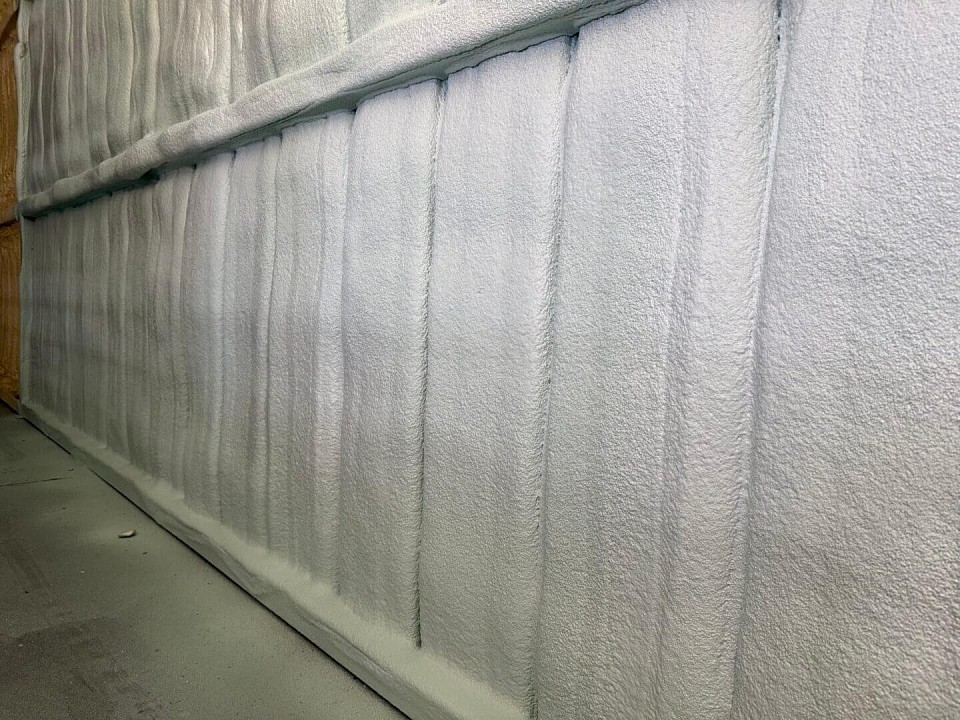
Exploring Notable Places Around Houston, Texas 77046
Introduction to the Area
Anchored near the Greenway Plaza corridor, this pocket of Houston places you within a short drive of many of the city’s most compelling districts. The setting blends urban polish with tree-lined enclaves, where cultural institutions, parkland, and inventive food scenes coexist. From intimate art spaces to expansive bayou trails, the surrounding neighborhoods reward both unhurried strolling and purposeful itineraries.
Cultural Beacons in Montrose and the Museum District
Montrose and the nearby Museum District stand as the city’s creative crucible. Galleries, contemplative chapels, and world-class museums are clustered close enough for a seamless day of discovery. The area invites lingering—slow steps beneath oaks, quiet pauses before monumental canvases, and easy conversation at a corner café. These venues model how a modern metropolis cultivates reflection alongside dynamism.
- The Menil Collection
- Rothko Chapel
- Museum of Fine Arts, Houston
- Contemporary Arts Museum Houston
- Houston Center for Photography
- Cullen Sculpture Garden
- Holocaust Museum Houston
Walk from a serene chapel into a sunlit sculpture garden, and the contrast underscores Houston’s artistic breadth. Abstract works share space with figurative pieces, and curation often pairs bold experimentation with understated elegance. Exhibitions rotate often, yet the core experience—thoughtful design and generous public space—remains a constant.
Greenways, Gardens, and Urban Nature
A network of bayous outlines central Houston with miles of greenway. These corridors provide runners, cyclists, and birders with an ever-changing skyline vista. Early mornings deliver mist along the water’s edge, while evenings glow with pastel skies and the rumble of the city softens.
- Buffalo Bayou Park
- Memorial Park Eastern Glades
- Houston Arboretum & Nature Center
- Hermann Park
- Brays Bayou Greenway
Buffalo Bayou Park weaves boardwalks, native plantings, and skyline overlooks into a single continuous experience. Memorial Park’s Eastern Glades offers a more contemplative mood, with meandering pathways, prairie flora, and shaded seating. Hermann Park ties culture to landscape, linking the museum district’s edges to gardens, reflective water features, and lively open lawns.
Architectural Landmarks and Public Spaces
Modernist silhouettes and lush courtyards punctuate the surrounding districts. Corporate campuses give way to intimate squares and plazas. Here, design is not simply decorative; it orchestrates shade, airflow, and human movement during hot afternoons and breezy nights.
- Waterwall Park
- Bayou Bend Collection and Gardens
- Levy Park
- Highland Village promenades
- River Oaks District pathways
The Waterwall’s cascading façade transforms light into a shimmering veil, inviting visitors to stand close and feel the atmosphere shift. Bayou Bend fuses historic interiors with manicured gardens, where cambered paths thread among groves and fountains. Levy Park distills contemporary park-making into an urban living room: lawns, play zones, and shaded terraces arranged to encourage conversation and chance encounters.
Neighborhoods with Character and Commerce
Retail districts near Uptown and Upper Kirby curate a worldly, walkable ambiance. Boutiques sit beside cafes and patisseries, and storefronts favor handsome lines, generous glazing, and leafy canopies. Venture farther south and west to find multicultural corridors that hum from midday to midnight.
- Rice Village
- Upper Kirby
- Uptown District near The Galleria
- River Oaks Shopping streets
- Asiatown along Bellaire Boulevard
Rice Village juxtaposes long-loved bookshops with modern eateries, while Upper Kirby prizes sleek design and pocket patios. Uptown’s boulevards mix glassy towers with an energetic dining scene. To the southwest, Asiatown stretches along Bellaire Boulevard with bakeries, night markets, and savory aromas that shift block by block, rewarding curiosity and an open palate.
Art, Expression, and Unexpected Whimsy
Houston champions grassroots creativity. Warehouse studios, visionary folk-art compounds, and community-driven installations turn everyday corners into intrigue. The result is a city where spontaneity feels planned, and planned spaces invite improvisation.
- Sawyer Yards in the Washington Avenue Arts District
- Art Car Museum
- Orange Show Center for Visionary Art
- Smither Park
Sawyer Yards animates former industrial buildings with galleries, murals, and studio corridors. The Art Car Museum celebrates vehicular imagination, where chrome and color dissolve boundaries between gallery and garage. At the Orange Show and adjacent Smither Park, mosaic fragments, found objects, and handcrafted motifs coalesce into environments that are both playful and profound.
Family-Friendly Classics and Learning Hubs
Iconic attractions nearby blend education and entertainment. These spaces prove that curiosity scales across ages, offering tactile exhibits, animal encounters, and engaging programs within leafy precincts.
- Houston Zoo
- Miller Outdoor Theatre
- Houston Museum of Natural Science
A day might begin with a quiet loop under towering trees beside animal habitats, continue with a matinee performance on a shaded hillside, and end with a gallery wander through gems, fossils, and immersive dioramas. The tone is lively yet unpretentious, ideal for multigenerational outings.
Evening Ambiance and Skyline Perspectives
Dusk redefines central Houston. Neon accents flicker on. Terraces fill. Along the bayou trails and in downtown’s repurposed landmarks, the city adopts a theatrical calm.
- Market Square Park
- POST Houston rooftop park
- Downtown Theater District promenades
Market Square Park sets the stage with historic brickwork and convivial patios. Nearby, a transformed post office building offers a rooftop green space with sweeping views and a dense lineup of rotating food concepts inside. Just a short stroll away, the theater district’s promenades showcase luminous façades and an architectural dialogue between old and new.
Planning a Seamless Day
The beauty of this address lies in its centrality. Choose a quiet morning among live oaks and galleries, a mid-afternoon picnic in a reimagined park, and an evening savoring skyline silhouettes from a rooftop lawn or riverside overlook. The area rewards both meticulous planners and meandering explorers. Bring comfortable shoes, a curiosity for cross-neighborhood contrasts, and a willingness to let the day evolve with the light.
Urban Landmarks and Hidden Retreats around Houston, Texas 77046
A District at the Crossroads of Culture and Greenery
Anchored in the bustling Greenway Plaza corridor, the area surrounding Houston, Texas 77046 hums with activity from dawn to dusk. Glass-clad towers catch the Gulf light, while leafy neighborhoods and pocket parks create a rhythm between commerce and calm. Within minutes, serene gardens, transformative museums, and trail-laced bayous invite exploration. The setting blends modernity with nuance—an urban mosaic where architecture, art, and ecology coexist.
Gardens and Green Refuges to Restore the Senses
The nearby green spaces are both restorative and imaginative. Memorial Park stretches across hundreds of acres, offering pine-scented pathways and the Eastern Glades, a water-edged sanctuary designed for contemplation at sunrise and lively meetups at dusk. Hermann Park, framed by grand oaks, feels ceremonial yet welcoming; the McGovern Centennial Gardens weave geometric beds, rose-lined promenades, and a spiraling mound with views across the canopy. For native habitat immersion, the Houston Arboretum & Nature Center presents boardwalks and prairie restorations alive with dragonflies and songbirds, while Buffalo Bayou Park threads together skyline vistas with sculptural gardens and river overlooks. These landscapes are not mere backdrops. They are living classrooms and daily sanctuaries.
Architectural Icons, Shopping Promenades, and Design Moments
Architecture here signals both ambition and place. Williams Tower pierces the sky with a refined profile, guiding visitors to the Gerald D. Hines Waterwall Park where a monumental crescent of cascading water hushes the city’s hum. A short drive leads to The Galleria, a retail universe beneath a glass vault, and the River Oaks District and Highland Village, each marrying design-forward storefronts with tree-shaded patios. Rice Village offers a more collegiate cadence with independent boutiques, inventive cafés, and book-lined corners. The area champions thoughtful urbanism, pairing pedestrian-friendly arcades with public art and generous courtyards. On weekends, the rhythm slows as shoppers linger under string lights and seasonal installations.
Museums and Quiet Chapels: Artful Havens with Enduring Gravity
A constellation of cultural sites radiates just beyond the zip code. The Menil Collection—nestled in a bungalow neighborhood—displays art with museum-caliber serenity and neighborhood intimacy. Mere steps away, the Rothko Chapel envelopes visitors in quietude, its octagonal space bathed in the soft gravity of monumental paintings. The Museum of Fine Arts, Houston, now connected by art-filled tunnels, exhibits centuries of creativity, from antiquities to daring contemporary commissions. Nearby, the Contemporary Arts Museum Houston challenges the senses with ever-rotating exhibitions, while the Houston Museum of Natural Science and the Houston Zoo within Hermann Park spark curiosity in audiences of every age. Each venue offers public programs and rotating installations, ensuring returns feel new.
Trails, Bayous, and Public Art in Motion
The city’s outdoor network is a kinetic gallery. Along Buffalo Bayou Park, kayakers skim past native grasses as cyclists trace the water’s curves. Overlooks frame steel bridges and skyline silhouettes that shift with light and season. Public art appears unexpectedly: the Tolerance sculptures stand in peaceful dialogue at Allen Parkway; the Beer Can House in nearby Washington Corridor holds a whimsical mirror to everyday materials and collective memory. On the Rice University campus, the James Turrell Skyspace stages a celestial theater at sunrise and sunset, where color and perception dance in silence. These excursions blend movement and meaning—perfect for morning runs, impromptu picnics, or golden-hour photography.
Curated Highlights to Explore Nearby
- Gerald D. Hines Waterwall Park
- Williams Tower
- The Galleria
- River Oaks District
- Highland Village
- Rice Village
- Memorial Park and Eastern Glades
- Buffalo Bayou Park
- Houston Arboretum & Nature Center
- Hermann Park and McGovern Centennial Gardens
- Museum of Fine Arts, Houston
- Contemporary Arts Museum Houston
- The Menil Collection
- Rothko Chapel
- Houston Museum of Natural Science
- Houston Zoo
- Asia Society Texas Center
- Buffalo Soldiers National Museum
- Holocaust Museum Houston
- Art Car Museum
- Beer Can House
- Eleanor Tinsley Park
- Discovery Green
- Rice University Campus and Skyspace by James Turrell
- Bayou Bend Collection and Gardens
- River Oaks Theatre (historic venue; programming varies)
Seasonal Happenings and Culinary Detours
The calendar here unfurls with vibrancy. Spring’s azaleas ignite Bayou Bend’s manicured paths; autumn festivals animate Discovery Green with light installations and pop-up markets. At Buffalo Bayou Park, outdoor performances materialize on lawn stages as food trucks line up with inventive menus. After museum afternoons, nearby blocks brim with convivial spots for gulf oysters, coffee roasted in-house, or Tex-Mex steeped in generational craft. Patios glow with lanterns as the evening breeze picks up from the bayou. Brunch at Rice Village morphs into a leisurely bookshop visit; sunset at the Waterwall becomes a quiet prelude to a concert or gallery talk.
Practical Tips for an Effortless Day Out
Parking is ample yet dynamic, with garages near shopping districts and surface lots by parks. Trails around the bayou and Memorial Park welcome early risers, rewarding them with cooler temperatures and tranquil paths. Museums often feature late openings on select days, ideal for pairing art with a twilight stroll. Bring water, lightweight sun layers, and comfortable walking shoes; Houston’s climate can be mercurial, alternating between radiant heat and sudden showers. Public transit and rideshares simplify hops between districts, reducing time in traffic and easing the search for a spot.
A Cohesive Urban Tapestry
Around Houston, Texas 77046, an elegant interplay of culture, architecture, and wild green invites exploration. Days here expand, not rush—one landmark leading to another with intuitive grace. Whether admiring a chapel’s quiet radiance, wandering a garden’s symmetrical beds, or tracing the sweep of the bayou, the experience feels both metropolitan and personal. It lingers in memory, like the soft echo of water on stone at dusk.

Urban Landmarks and Quiet Corners Near Houston, Texas 77046

A Cultural and Natural Tapestry Around Greenway Plaza
Bayou-Side Escapes and Skyline Vistas
- Buffalo Bayou Park unfurls a ribbon of green, threaded with trails, skyline overlooks, and native plantings that sway in the Gulf breeze. Joggers trace the water’s edge at dawn. Cyclists coast beneath arched bridges. Photographers linger on the Sabine Street Bridge to capture glass towers mirrored in the slow-moving current. Benches tucked among prairie grasses invite unhurried conversations. The park’s artful lighting reveals a different mood after sunset, when reflections shimmer like mercury.
The Museum District’s Cultural Constellation
- The Museum of Fine Arts, Houston anchors an ensemble of institutions within a compact, walkable grid. Galleries glide from Renaissance canvases to kinetic, contemporary installations. Across the street, the Cullen Sculpture Garden creates an outdoor salon where light and shadow articulate bronze and stone. The Houston Museum of Natural Science beckons with geologic marvels and the ever-enchanting Cockrell Butterfly Center, where delicate wings stipple the air. Nearby, Holocaust Museum Houston offers sober reflection, its architecture guiding visitors through memory and moral urgency. The district rewards a full day, or several shorter visits threaded through the week.
Sacred Minimalism and Campus Calm
- The Rothko Chapel, quietly poised near the Menil neighborhood, is a sanctuary of hushed tones and contemplative geometry. The interior’s monumental canvases modulate with the day’s changing light, encouraging a slower cadence of thought. Steps away, the Menil Collection spreads across low-slung buildings and shaded lawns. It’s a campus designed for ambling—one gallery, one grove, one bench at a time. The Menil Drawing Institute refines the experience further, inviting close looking and unhurried study. Together, these sites form an oasis of art and introspection in the heart of the city.
Parks Crafted for Play and Pause
- Levy Park, a few minutes from Greenway Plaza, models the modern urban commons. Lush lawns open to games and yoga mats. Children’s zones unfold like storybooks with climbing structures, water features, and shaded nooks. Food kiosks and garden beds keep afternoons lively and fragrant. Farther west, Memorial Park’s forested loops promise a different register—pine-scented paths, bird calls, and long, meditative runs. The Houston Arboretum & Nature Center offers boardwalks and quiet overlooks, where turtles nose through clear shallows and dragonflies patrol the reeds.
Icons of the Galleria District
- The Gerald D. Hines Waterwall, a crescent of coursing water, is its own microclimate. Mist cools the air. Visitors circle the base, voices softened by the sound. Adjacent, Williams Tower rises with elegant restraint, a landmark for miles. The surrounding boulevards—broad, tree-lined, meticulously landscaped—create a promenade mood. Evening brings a gentle spectacle as lights accentuate granite and glass. Picnic blankets appear under live oaks as friends trade stories against the mural of falling water.
Rice University’s Artful Green
- Rice University extends a gracious welcome with a canopy of live oaks and an architectural chorus of brick and arch. The James Turrell Skyspace stages twilight with celestial precision, bathing the pavilion in chromatic transitions that recalibrate perception. Public art punctuates quads and walkways; each piece feels like a waypoint on a contemplative journey. Stroll through the Academic Quad, where quiet lawns offer a reprieve, then continue toward nearby Hermann Park to complete a circuit of culture and green.
Bayou Bend’s Pastoral Heritage
- Bayou Bend Collection and Gardens blends American decorative arts with Southern horticulture in a setting that feels worlds apart. Manicured parterres accompany wooded paths that dip toward the watercourse. Seasonal blooms—camellias, azaleas, and roses—stage chromatic bursts across formal beds. Inside, period rooms convey texture and craft, from carved wood to gleaming silver. Outside, the riverine landscape carries birdsong beneath the boughs, tethering history to the living city.
Practical Notes for Unhurried Exploration
- Mornings offer cooler temperatures and gentler light along trails and gardens.
- Light-rail links Museum District sites efficiently, reducing parking concerns.
- Shaded courtyards around Greenway Plaza provide short, restorative breaks between outings.
- Weekdays often yield quieter galleries, ideal for attentive viewing.
- Seasonal programs—open-air concerts, lectures, and markets—add delightful serendipity to a planned itinerary.
A Day Well Woven
- Begin with coffee near Greenway Plaza, then set out for Buffalo Bayou’s breezes. Drift through the Museum District’s galleries and pause for a reflective interval at the Rothko Chapel. Let the afternoon unfold at Levy Park or the Arboretum, followed by an amble through the Waterwall’s cool aura at dusk. Conclude under Rice University’s evening sky, where the Skyspace resets the senses. In this compact radius around Houston, Texas 77046, culture and nature intertwine, granting every wanderer a memorable, many-textured day.
Bayou Greenways and Cultural Niches Near Houston, Texas 77046
Gateway to the Greenways
Anchored near the confluence of commerce and canopy, the Houston, Texas 77046 corridor radiates toward a web of trails, art enclaves, and riverside overlooks. Within minutes, urbanites slip from high-rises into riparian sanctuaries where paddlecraft skim along water and egrets patrol reed beds. This urban seam—stitched by Buffalo and Brays bayous—delivers a rare blend of serenity and spectacle. Pocket parks punctuate the greenways; public art lends color and wit. The result is a district where movement feels effortless and discovery seems inevitable.
Rivers, Trails, and Ingenious Parkmaking
From Greenway Plaza, pathways unfurl toward Buffalo Bayou Park and onward to an expanding eastward corridor. Bridges arc over glimmering water, leading to boardwalks and quiet coves. Cyclists veer onto leveled asphalt while runners test undulating dirt tracks beneath pecan and live oak. This system offers both speed and dawdle. Travelers shift gears—fast commutes in the morning, contemplative strolls by dusk. Thoughtful parkmaking interlaces flood mitigation with recreation, a case study in civic foresight and ecological sensitivity.
Art, Architecture, and Reflective Spaces
The district’s cultural fabric lies within reach—modernist museums, outdoor sculpture gardens, and contemplative courtyards. Stone benches invite pause, while plazas frame skyline vistas. The materials palette—sandstone, steel, glass—echoes Houston’s industrial lineage yet softens amid lush landscaping. Here, the built environment and the natural world converse, not compete. It’s a place to trace shadows across travertine or watch bats spiral into evening thermals, a choreographed moment shared by residents and visitors alike.
History Along the Water’s Edge
Houston’s story is a waterborne narrative. At Allen’s Landing, commerce took root; at San Jacinto, destiny pivoted. The bayous—arteries of trade and settlement—carry vestiges of that chronicle. Along their banks, interpretive markers recount maritime episodes, civic milestones, and moments of reinvention. History feels tactile here: the brick underfoot, the riveted spans, the preserved depots. The surroundings convert abstract timelines into paths one can literally walk.
Things to Do, From Dawn to Dusk
Morning invites quiet miles on shaded trails. Midday beckons galleries, botanic displays, and garden cafés. After sunset, theaters light up and riverwalks glow. Choose a single micro-adventure or braid several into a daylong ramble. The bounty is varied, the logistics simple. Every turn suggests another vantage point—a bridge belvedere, a sculpture court, a garden terrace.
Selected Places to Explore
- Buffalo Bayou Park: Meandering trails, native prairie pockets, and dramatic skyline overlooks.
- Buffalo Bayou Park Cistern: A mesmerizing underground reservoir with ethereal reflections and rotating light installations.
- Waugh Drive Bat Colony: A dusk spectacle as a cloud of bats lifts from the bridge into violet skies.
- Allen’s Landing: Historic birthplace of Houston and a tranquil river confluence with interpretive wayfinding.
- Eleanor Tinsley Park: Lawn amphitheaters, festival grounds, and sweeping views of downtown’s towers.
- Sabine Promenade: Pedestrian-only spans and luminous bridges tying artful infrastructure to flowing water.
- Rice University Campus and Moody Center for the Arts: Oak-lined quadrangles, contemporary pavilions, and avant-garde exhibits.
- Hermann Park: Japanese Garden serenity, pedal boats, and the grand Reflection Pool framing a day of repose.
- Cullen Sculpture Garden: An alfresco gallery where bronze, stone, and space collaborate.
- The Menil Collection Campus: Low-slung modernism, palm courts, and a museum village set within calm lawns.
- Houston Arboretum & Nature Center: Woodland boardwalks and prairie restorations abuzz with pollinators.
- Glenwood Cemetery: Historic monuments, ornate statuary, and hushed, tree-shaded lanes.
- Bayou Bend Collection and Gardens: Decorative arts housed amid terraced gardens along the water’s meander.
- Theatre District Riverfront: Pathways that stitch playhouses to promenades and riverside lawns.
- Levy Park: Innovative play zones, lawn pavilions, and a horticultural core designed for urban respite.
Deeper Dives and Practical Pairings
Consider thematic pairings. Combine the Cistern’s subterranean hush with a twilight watch at the Waugh bridge. Follow the Arboretum’s forest loop with a reflective pause at the Cullen Sculpture Garden. Stroll Rice University’s arcades, then wander to Hermann Park’s Japanese Garden for a moment of distilled calm. These juxtapositions produce a layered day: kinetic and serene, historic and forward-looking.
Seasonal Nuance and Microclimates
In spring, wildflowers stipple the bayou berms. Summer brings towering cumulus and late-afternoon breezes channeling along the water’s course. Autumn casts a mellow light that flatters brick, marble, and leaf canopy alike. Even winter contributes clarity; vistas sharpen, and the geometry of bridges reveals itself. Microclimates abound—cooler air lingering near the waterline, warmer courtyards protected from wind.
Sustainable Threads in the Urban Tapestry
The greenways perform quiet labor—slowing stormwater, nurturing wildlife corridors, and sharpening the city’s carbon literacy. Native plantings attract herons, warblers, and countless pollinators. Boardwalks minimize disturbance while guiding exploration. Lighting calibrates to protect nocturnal species. It’s infrastructure with empathy, a blueprint that balances human delight with ecological duty.
Closing Outlook
Proximity to Houston, Texas 77046 equips wanderers with an enviable launchpad. Trails, museums, gardens, and historic riverfronts gather in a compact radius, inviting both swift excursions and lingering days. The choreography of water, art, and architecture rewards curiosity, ensuring each visit reveals a fresh facet of the city’s ever-evolving edge.

Cultural and Urban Escapes near Houston, Texas 77046
The Greenway Nexus
Anchored between Uptown and the Museum District, the Greenway corridor forms a lively fulcrum for culture, leisure, and commerce. Its centrality invites effortless exploration in every direction. To the west, the gleaming Williams Tower rises over the Gerald D. Hines Waterwall Park, where a 64-foot cascade creates a cool microclimate amid sculptural stonework. To the east, the tree-lined paths of Hermann Park draw joggers, picnickers, and families toward lake vistas and verdant lawns. The neighborhood hums with urban convenience yet delivers pockets of serenity. Early mornings feel contemplative; evenings glow with café lights and soft bayou breezes.
Art Corridors and Quiet Chapels
A short drive transports visitors into an immersive art constellation. The Menil Collection unfolds across a serene campus, its understated architecture amplifying modern and surrealist masterworks. Just steps away, the Rothko Chapel provides hushed introspection. Its octagonal sanctuary, imbued with monumental color fields, invites unhurried reflection. Contemporary Arts Museum Houston contrasts this quietude with kinetic exhibits and bold curatorial voices, while the Museum of Fine Arts, Houston spans centuries through galleries, tunnels of light, and a sculpture garden designed for ambling discovery. Together, these institutions form a cultural ribbon that rewards curiosity and lingers in memory long after the visit.
Gardens, Bayous, and Wild Sanctuaries
The region’s green expanse feels astonishingly diverse. Memorial Park’s vast network of trails, including the Eastern Glades, blends prairie restoration with water features and boardwalks. The Houston Arboretum & Nature Center reveals native habitats through looped trails perfumed with pine and wildflower. Along Buffalo Bayou Park, cyclists and walkers move beneath skyline silhouettes, passing bat colonies under Waugh Drive and artful pedestrian bridges arching over rippling water. In the River Oaks area, Bayou Bend Collection and Gardens pairs American decorative arts with terraced grounds, azalea-lined paths, and camellia-dappled shade—an elegant enclave where history and horticulture interlace.
Architectural Icons and Urban Plazas
Houston’s built environment near 77046 is a study in contrasts. The Williams Tower galleria precinct frames an urbane promenade that unfurls toward The Galleria’s cosmopolitan corridors and the sculptural curve of the Waterwall’s amphitheater. In Midtown, The Ion—housed in a brilliantly reimagined structure—animates an innovation district with public art, tech activations, and street-level cafés. Downtown, Market Square Park stitches together Victorian façades, contemporary sculptures, and convivial patios. Meanwhile, Rice University’s shaded quads and brick arcades give way to Rice Village’s pedestrian-friendly streets, where bookstores, boutiques, and bistros mingle with weekend bustle.
Sports, Spectacle, and Community Greens
Spectator energy is never far afield. NRG Park hosts football matchups and colossal seasonal festivities, while Minute Maid Park and Toyota Center punctuate downtown with game day rhythms and post-event revelry. For open-air leisure, Levy Park sets the standard for neighborhood placemaking—lush lawns, a whimsical children’s area, community gardens, and rotating events that keep the calendar lively. Discovery Green’s programming, from art installations to outdoor films, complements its lake and cypress groves, offering a convivial commons that feels welcoming day and night. At Buffalo Bayou’s Eleanor Tinsley Park, skyline views dramatize sunset gatherings and outdoor concerts.
Culinary Districts and Retail Promenades
The neighborhoods surrounding 77046 brim with flavor and fashion. Highland Village blends long-standing storefronts with rejuvenated sidewalks, while River Oaks District curates a polished promenade with alfresco dining nooks and gallery-like windows. Rice Village’s culinary diversity ranges from refined establishments to inventive dessert bars, ensuring every appetite finds its match. In Uptown, The Galleria’s dining wings extend the day’s itinerary beyond shopping into leisurely meals. Threaded throughout are cafés and bakeries perfect for interludes—swift espresso stops, languid brunches, and twilight nightcaps that round out an urban ramble.
Recommended Stops and Scenes
- Gerald D. Hines Waterwall Park and Williams Tower for cooling mist and soaring skyline.
- Buffalo Bayou Park for cycling pathways, bat-viewing at dusk, and photogenic bridges.
- The Menil Collection and Rothko Chapel for artful contemplation and quietude.
- Memorial Park Eastern Glades for native landscapes, boardwalks, and reflective pools.
- Levy Park and Discovery Green for programmed activities and family-friendly greens.
- Bayou Bend Collection and Gardens for decorative arts amid cultivated grounds.
- The Ion and Midtown corridors for adaptive-reuse architecture and café culture.
- Rice Village and Highland Village for walkable shopping and eclectic dining.
Navigational Tips and Seasonal Flourishes
Plan outings with the sun in mind. Mornings suit the Arboretum’s shaded loops, while late afternoons flatter Bayou Bend’s garden vistas. Dusk reveals bats spiraling over Waugh Drive and the Waterwall’s cascade aglow. Weekends often bring markets to Discovery Green and concerts to Miller Outdoor Theatre in Hermann Park; consult local calendars to align visits with performances, workshops, and film nights. During spring, azaleas and wildflowers reanimate gardens and rights-of-way. Autumn ushers in crisp air ideal for long bayou rides and patio suppers. Whatever the season, the districts near Houston, Texas 77046 offer an urbane tapestry—art, nature, architecture, and community—stitched together with surprising ease.
Urban Tapestry: Notable Places Around Houston, Texas 77046
Introduction
Anchored by Greenway Plaza and bordered by tree-lined boulevards, the enclave around Houston, Texas 77046 reveals a mosaic of culture, green spaces, culinary verve, and architectural intrigue. Within minutes, the city unfurls parks with native flora, museums of global consequence, and neighborhoods laden with character. The setting feels dynamic yet livable. It invites wandering. It rewards curiosity.
Urban Greenery and Open-Air Leisure
A short jaunt from Greenway Plaza leads to Levy Park, a reinvented urban commons with a great lawn, shaded reading nooks, and a whimsical children’s garden. The design blends native landscaping with interactive features. Mornings bring yoga circles and dog walkers. Late afternoons carry the scent of food trucks and the laughter of families. Westward, Memorial Park’s Eastern Glades offers a contemplative landscape of boardwalks, savanna restoration, and a mirror-like pond, ideal for reflective strolls at dusk. The Houston Arboretum & Nature Center, on the park’s edge, threads five miles of trails through pine, oak, and pocket wetlands—an immersive antidote to the city’s hum.
Art and Architecture in Easy Reach
North of the zip code, the Menil Collection presides over a serene campus of low-slung architecture by Renzo Piano and verdant lawns dotted with live oaks. The galleries house Byzantine icons, Surrealist reveries, and African artifacts that sit in quiet conversation. Steps away, the Rothko Chapel’s octagonal sanctuary envelops viewers in meditative color fields; the experience is hushed and profound. Farther south, the Museum of Fine Arts, Houston, spans classical antiquities to bold contemporary installations, its campus knitted together by the light-infused Kinder Building. Evening comes, and the James Turrell Skyspace at Rice University stages a slow-blooming light sequence that reframes twilight itself.
Bayou Pathways and Skyline Vistas
Buffalo Bayou Park continues to redefine urban recreation with meandering trails, prairie plantings, and artful overlooks. Cyclists cruise under sculptural bridges while runners pace along the water’s edge. The Buffalo Bayou Park Cistern, a decommissioned 1920s reservoir reborn as an art venue, invites visitors into a cathedral-like volume, its forest of columns mirrored in a shallow film of water. It’s subterranean and sublime. Just beyond, skyline lookouts catch golden hour as glass towers ignite and the city’s contours sharpen.
Historic and Spiritual Landmarks
Nearby, Lakewood Church occupies the former arena known to many Houstonians as a venue for legendary concerts and basketball triumphs. Today the reimagined space hosts weekly services, demonstrating the city’s capacity for adaptive reuse. East toward the Museum District, Hermann Park gathers history, botany, and play—its McGovern Centennial Gardens forming precise geometric beds and a spiral mount that ascends to panoramic views. The Miller Outdoor Theatre, within the same expanse, presents free performances all season, from Shakespeare to symphonic crescendos.
Culinary Corridors and Markets
Upper Kirby and adjacent neighborhoods cultivate an edible atlas of influences. Patios glow beneath string lights as plates showcase Gulf seafood, wood-fired flatbreads, and fragrant curries. Pop into a specialty market for heirloom tomatoes or artisan cheeses, then step across the street for small-batch gelato. Coffee houses hum with remote workers and conversation. Wine bars curate flights that traverse Old World terroirs and Texas vineyards. The atmosphere feels cosmopolitan yet unfussy, a signature Houston blend.
Retail Enclaves and Design Districts
Highland Village, River Oaks District, and Uptown Park offer polished promenades where fashion, home design, and fine fragrance come together in sleek storefronts. Highland Village’s mid-century lineage brings a sense of continuity to a district that still evolves with contemporary flair. Not far away, the Gerald D. Hines Waterwall Park, adjacent to the soaring Williams Tower, sends a 64-foot cascade over a travertine curve. The sound is thunderous. The mist is cooling. It’s a perennial photo stop and a welcome microclimate on sultry afternoons.
Further Afield: Day-Into-Evening Explorations
Extend the radius and options proliferate. The Houston Zoo pairs conservation storytelling with immersive habitats. Discovery Green downtown draws families to lawn art, splash pads, and evening markets. Bayou Bend Collection and Gardens—once the estate of philanthropist Ima Hogg—combines American decorative arts with terraced greenery that steps down to the water. Rice Village, with its bookshops and bistros, ties collegiate energy to neighborhood charm.
Additional Nearby Highlights
- Levy Park’s culinary pop-ups and rotating public art
- Menil Drawing Institute’s luminous galleries
- Rothko Chapel’s Broken Obelisk by Barnett Newman on the reflecting pool
- Buffalo Bayou Park’s bat colony emerging at dusk from Waugh Drive Bridge
- MFAH Cullen Sculpture Garden’s outdoor modernism
- Williams Tower’s lobby art and nighttime beacon
- Houston Arboretum’s Ravine Trail and Rummel Creek overlook
- Rice University’s live oak allée and brick arcades
- Hermann Park Railroad and pedal boats on McGovern Lake
- River Oaks Theatre’s revived marquee and arthouse screenings
Practical Notes for Visitors
Distances in this district are concise, yet a car or rideshare simplifies hopping between sites, especially in summer heat. Many venues operate extended evening hours on select days, rewarding late arrivals with cooler air and moody light. Bring water. Wear breathable fabrics. In storm season, trails along the bayou can close temporarily; posted advisories are reliable. Weekdays feel unhurried, while weekends brim with festivals, markets, and outdoor concerts.
Conclusion
Around Houston, Texas 77046, the city arranges itself as a layered itinerary: parks teeming with native texture, museums that challenge perception, and neighborhoods that invite lingering over a well-poured espresso or a thoughtfully plated meal. Wander a little. Then linger longer. The area rewards both impulse and intention, day after day, season after season.
Cultural Corridors and Green Escapes near Houston, Texas 77046
Introduction: From Greenway to Bayou
Anchored by leafy boulevards and shimmering office towers, the area surrounding Houston, Texas 77046 unfolds as a tapestry of museums, gardens, plazas, and bayou-side trails. The urban grid softens into lawns, courtyards, and reflective water features. Culture thrives nearby, and nature insinuates itself between streets and skylines. A day here can move from chapel quietude to garden promenades, from gallery contemplation to dusk-lit overlooks.
Bayou-Lined Paths and Open-Air Recreation
Buffalo Bayou’s revitalized corridors invite leisurely rambles, cycling, and contemplative pauses. Boardwalks hover over rippled currents, while native grasses sway along the embankments. Runners favor the forgiving surfaces, and photographers chase the interplay of water, bridgework, and skyline glow. Farther west, Memorial Park’s extensive trails meander under cathedral-like canopies of pine and oak. The loop options suit varied stamina, and the park’s evolving land bridges and prairie restorations showcase bold landscape design.
Museum District Masterworks
Within a short drive, the Museum District concentrates a spectrum of visual and scientific discovery. The Museum of Fine Arts, Houston, with its luminous galleries and underground tunnel of chromatic light, pairs global collections with contemporary commissions. Nearby, the Houston Museum of Natural Science layers mineralogy splendor with paleontology drama, while the Health Museum turns anatomy into hands-on learning. Step outside and the McGovern Centennial Gardens unfold with axial symmetry, a verdant amphitheater for seasonal blooms and casual picnics. Each space complements the next, producing a walkable circuit of curiosity.
Sacred Spaces and Contemplative Art
Quietude has its own addresses here. The Rothko Chapel, a sanctuary for reflection, pairs austere geometry with painterly depth, drawing visitors into stillness. On the Rice University campus, the James Turrell Skyspace orchestrates twilight like a conductor, modulating color and perception as the evening ripens. These sites are intimate yet profound—places where the city’s tempo softens and attention sharpens.
Boutique Greens and Neighborhood Plazas
Intimate parks punctuate the cityscape with convivial energy. Levy Park, reimagined with lawns, gardens, and an inventive children’s area, hosts outdoor classes and occasional installations. Evelyn’s Park in Bellaire combines native gardens with a whimsical sculpture grove, inviting unhurried exploration. Along the Uptown-Galleria seam, the Gerald D. Hines Waterwall Park amplifies the sound of cascading sheets, a cooling monolith that frames the sky and resets the senses.
Historic Homes and Garden Heritage
History blooms as much as it stands. Bayou Bend Collection and Gardens parcels early American decorative arts within a historic residence, then expands outward into terraced lawns and woodland glades. A river bend away, the Beer Can House turns vernacular architecture on its head—aluminum quilting as both folk art and local lore. These places demonstrate how preservation can be playful or polished, yet always rooted in place.
Notable Places to Explore
- Buffalo Bayou Park
- Memorial Park
- Museum of Fine Arts, Houston
- Houston Museum of Natural Science
- McGovern Centennial Gardens
- Rothko Chapel
- James Turrell Skyspace at Rice University
- Levy Park
- Evelyn’s Park
- Gerald D. Hines Waterwall Park
- Bayou Bend Collection and Gardens
- Beer Can House
- Menil Collection
- Houston Arboretum & Nature Center
- Hermann Park
- Rice University Campus
- Holocaust Museum Houston
- Buffalo Soldiers National Museum
- Discovery Green
- River Oaks District
Practical Strolls and Sample Itineraries
Begin with a morning circuit at Memorial Park—cool air, birdsong, and the rustle of leaves. Late morning, aim for the Menil Collection, where low-slung galleries and sylvan lawns craft an atmosphere of quiet rigor. Pause for lunch near Upper Kirby’s shaded patios, then spend the afternoon wandering the Museum of Fine Arts, Houston, blending antiquities with avant-garde. Toward sunset, reach the Skyspace at Rice, letting color recalibrate perception. Conclude at the Waterwall, where the nocturnal mist and architectural arc dramatize the close of day.
Seasonal Nuance and Community Rhythm
Spring wildflowers ignite prairies along bayou paths. Summer relies on shade structures, fountains, and evening programs to temper the heat. Autumn brings clearer skies, sharper shadows, and outdoor festivals that enliven plazas. Winter, mild and luminous, favors museum marathons and long lunches on sunlit terraces. Throughout the year, farmers markets, small concerts, and art pop-ups lend cadence to weekends, ensuring each visit feels newly minted.
Closing Reflections
Around Houston, Texas 77046, culture and landscape interlace with uncommon ease. Galleries sit within walking distance of pocket parks. Chapels converse silently with gardens. Bayous cradle trails that unfurl beneath bridges and skyline silhouettes. Whether wandering at leisure or planning a full-day immersion, these corridors and greens compose a metropolitan pilgrimage—measured, varied, and memorably humane.